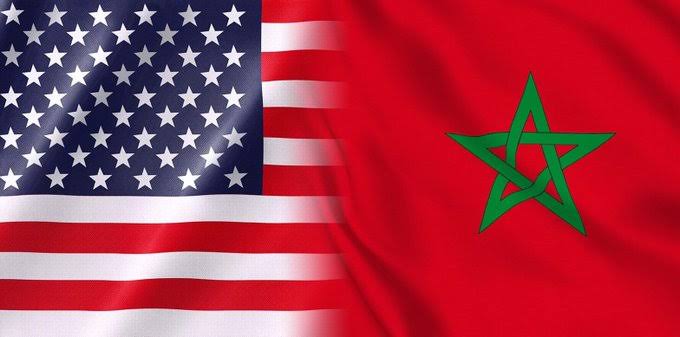
Morocco and America: A Friendship Born in Freedom
Every year on the Fourth of July, Americans celebrate the birth of their nation and the ideals of liberty, independence, and self-determination. It is a day that deserves to be remembered not only by Americans but also by Moroccans, because the history of our two nations has been intertwined since the very beginning of the United States.
On July 4, 1776, thirteen colonies declared their independence from Great Britain after years of struggle and sacrifice. The road to freedom was long and costly, but a new nation was born with a dream that all people should have the right to govern themselves.
Across the Atlantic, the Kingdom of Morocco saw not simply a rebellion, but the birth of a sovereign nation. Sultan Sidi Mohammed ben Abdallah, known in the West as Mohammed III, understood that history was changing. Rather than waiting for the rest of the world to recognize the young republic, Morocco acted with courage and vision.
In 1777, Morocco became the first country in the world to officially recognize the independence of the United States of America. It was a bold diplomatic decision at a time when few nations were willing to take such a step.
Our ports were opened to American merchant ships. They were welcomed to anchor safely and conduct their trade, helping a young nation begin its commercial journey across the Atlantic. It was Morocco's way of extending a hand of friendship when America needed friends the most.
That friendship was strengthened in 1786 with the signing of the Moroccan-American Treaty of Peace and Friendship. More than two centuries later, it remains the longest unbroken treaty in the diplomatic history of the United States.
Morocco's generosity did not stop there. In Tangier, the Kingdom offered a building to serve as the American Legation, making it the first American diplomatic property outside the United States. Today, the Tangier American Legation Museum stands as a living symbol of one of the oldest and most enduring friendships in modern diplomacy.
Our ancestors believed that every nation deserves its sovereignty and every people deserve their freedom. Long before the famous American expression, Morocco was already the land of the free—the Amazigh, whose very name means "free people"—and the home of the brave. Perhaps that is why the friendship between our two countries has endured. It was founded not merely on politics or commerce, but on shared values.
Even today, that friendship continues in unexpected ways.
On American soil, on the Fourth of July, Morocco's national football team defeated Canada to qualify for the tournament's quarter-finals. Thousands of American spectators embraced our team with enthusiasm and warmth. For ninety minutes, it almost felt as though Morocco was playing at home.
That moment was about more than football. It reminded us that genuine friendship is built over generations. The goodwill created by brave decisions in the eighteenth century continues to be felt in the twenty-first.
The relationship between Morocco and the United States is not simply one of diplomacy. It is a story of trust, respect, and two nations that believed in each other from the very beginning.
May this friendship continue to grow for generations to come.
Long live the Kingdom of Morocco.
Long live the United States of America.
And long live the friendship between free and courageous nations.
"Friendship, like hospitality, is not measured by what we receive, but by what we are willing to offer before anyone asks."
Hamid Mernissi
July 4, 2026
Keep exploring
Discover more stories from Morocco and beyond
Written by
Hamid Mernissi
I was born to travel the world. I am an anthropologist, a Sufi seeker and a student of life.
Comments
No comments yet. Be the first to share your thoughts!
Leave a comment