Fez and Its Civilization
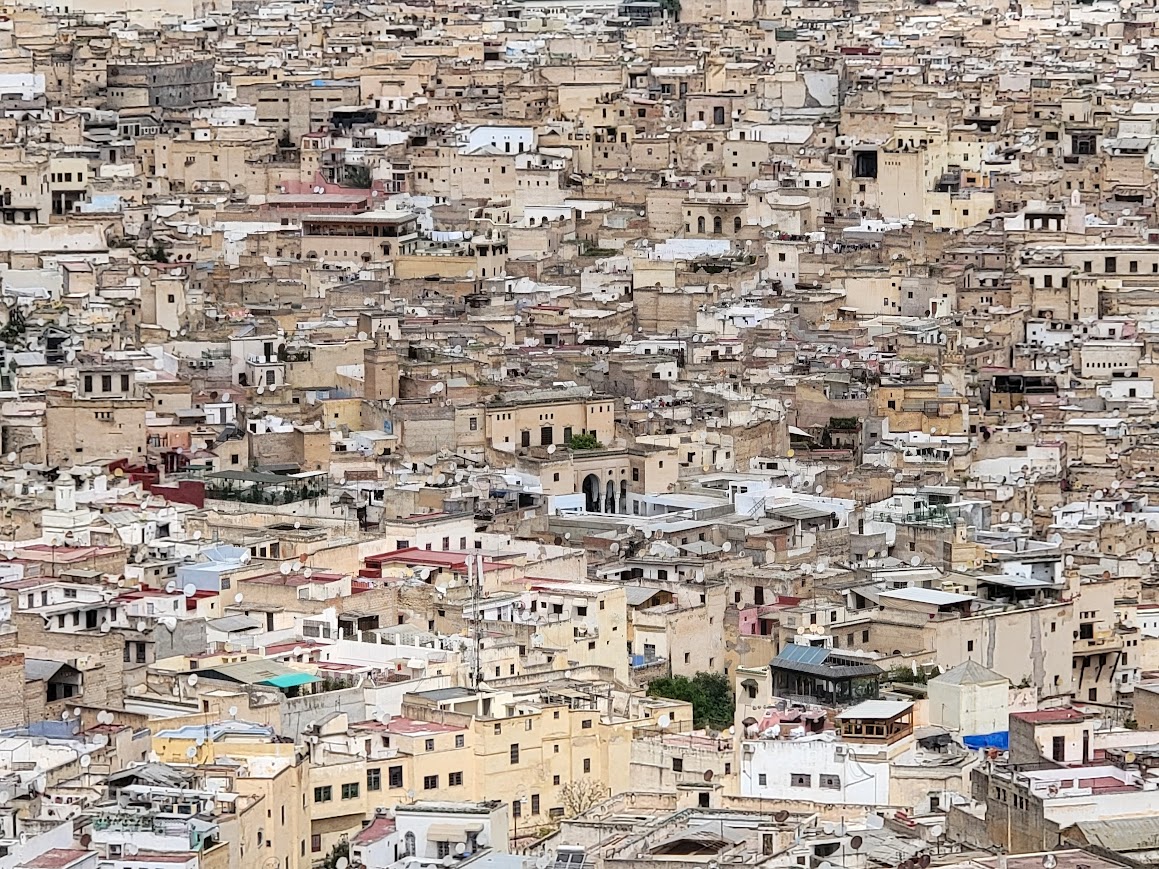
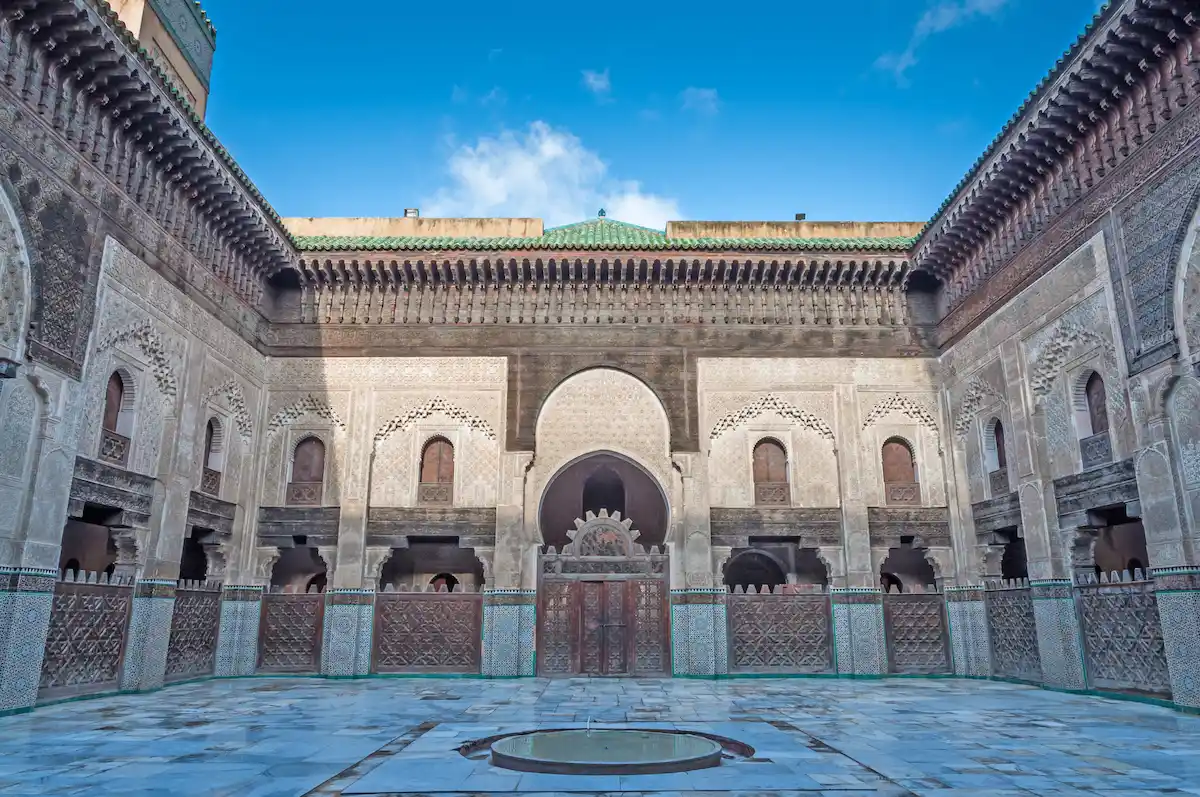
Before the French Came, Fez Already Knew How to Govern ItselfReflections on a city, its institutions, and the meaning of civilizationWhen we speak of the histor...
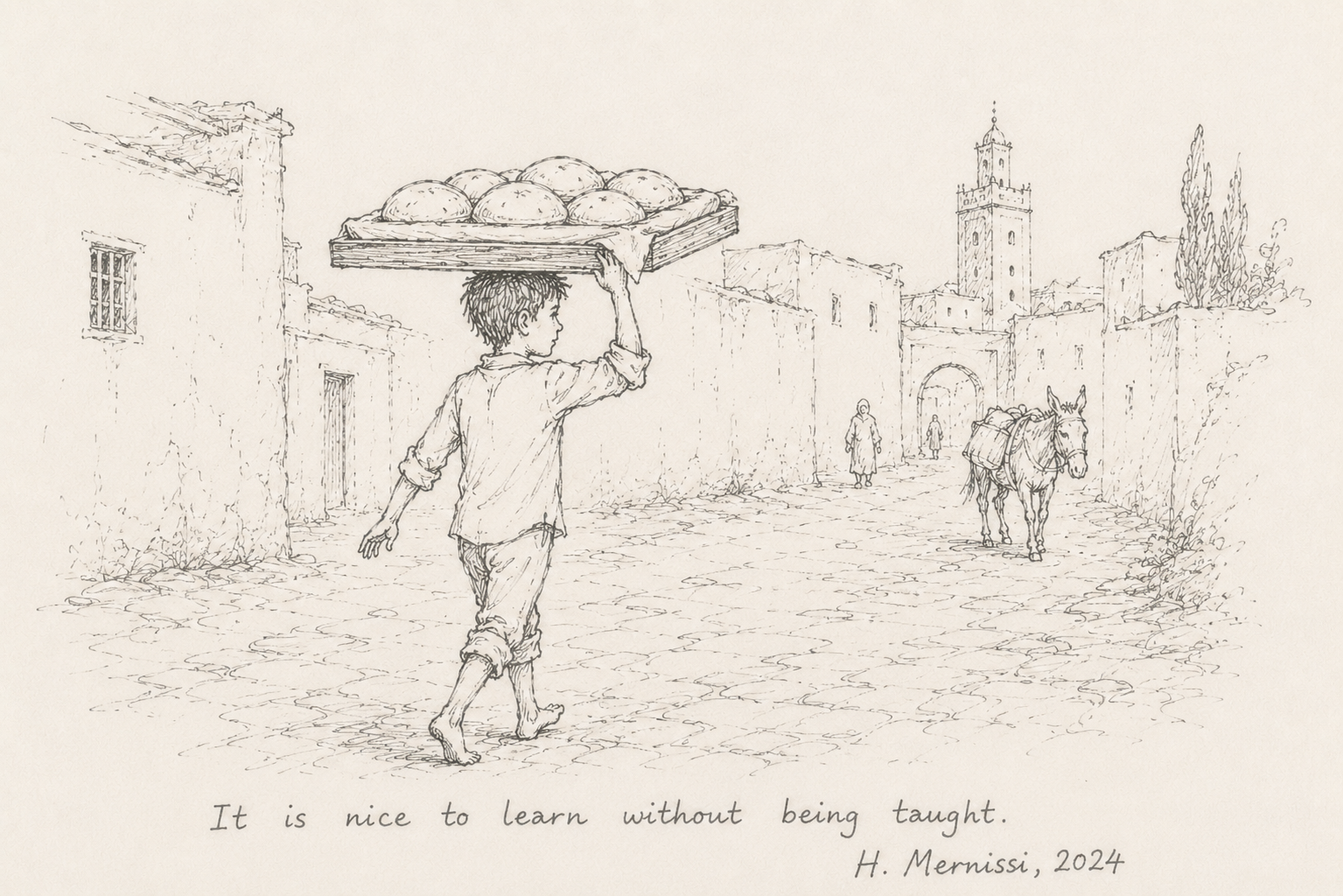
The Boy from Fez: Morocco, Told from WithinAn anthropologist's childhood, a civilization remembered, and a human story for everyone.There are places in thi...
It may be the smell of bread your mother baked, the tree you climbed as a child, a schoolyard, a song, a father's expression, an old neighbor, a family table around which people once gathered.
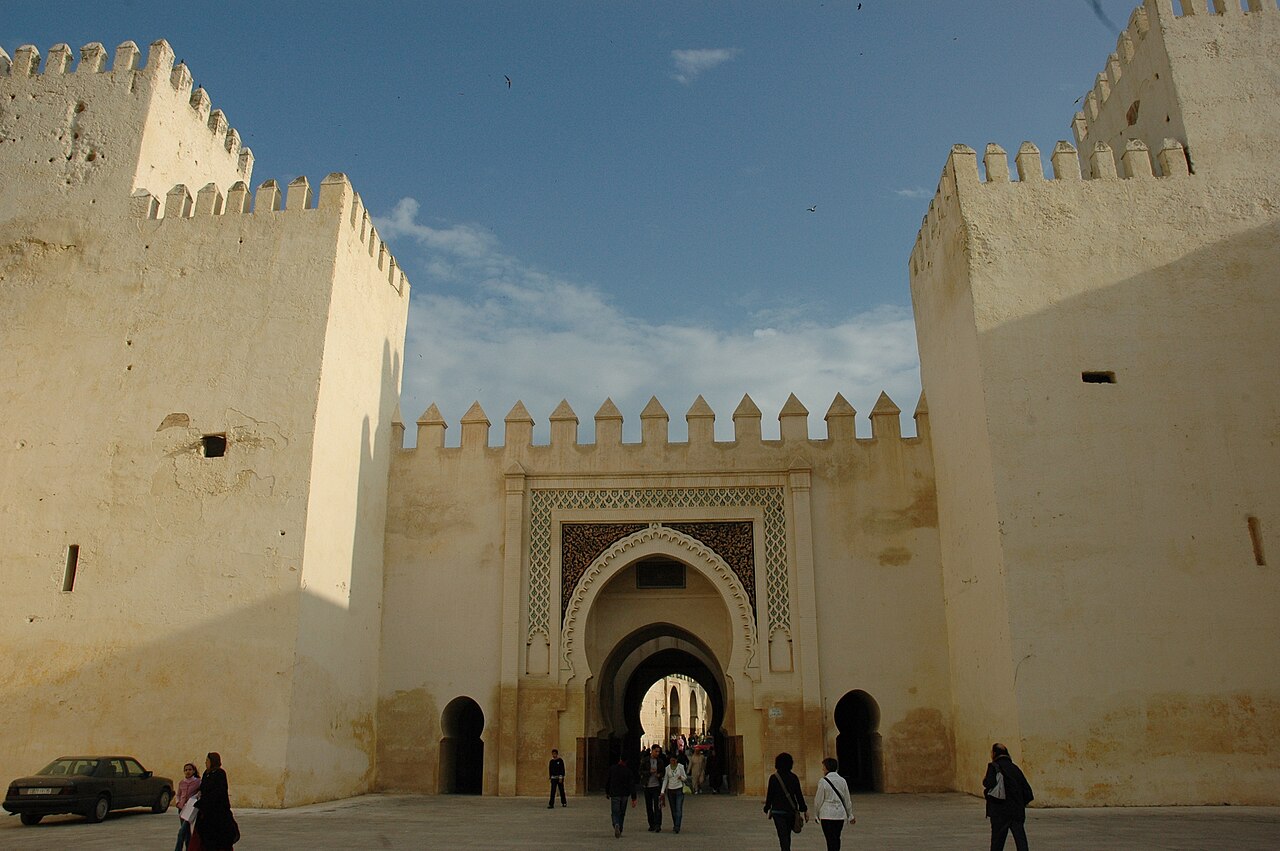
After more than a month of effort, the expedition finally reached the Sebou Bridge near Fez on 29 January 1912, only a short walk from the city itself.
Where do the richly detailed images we see in dreams come from? And where do the reflections that appear in mirrors actually exist?
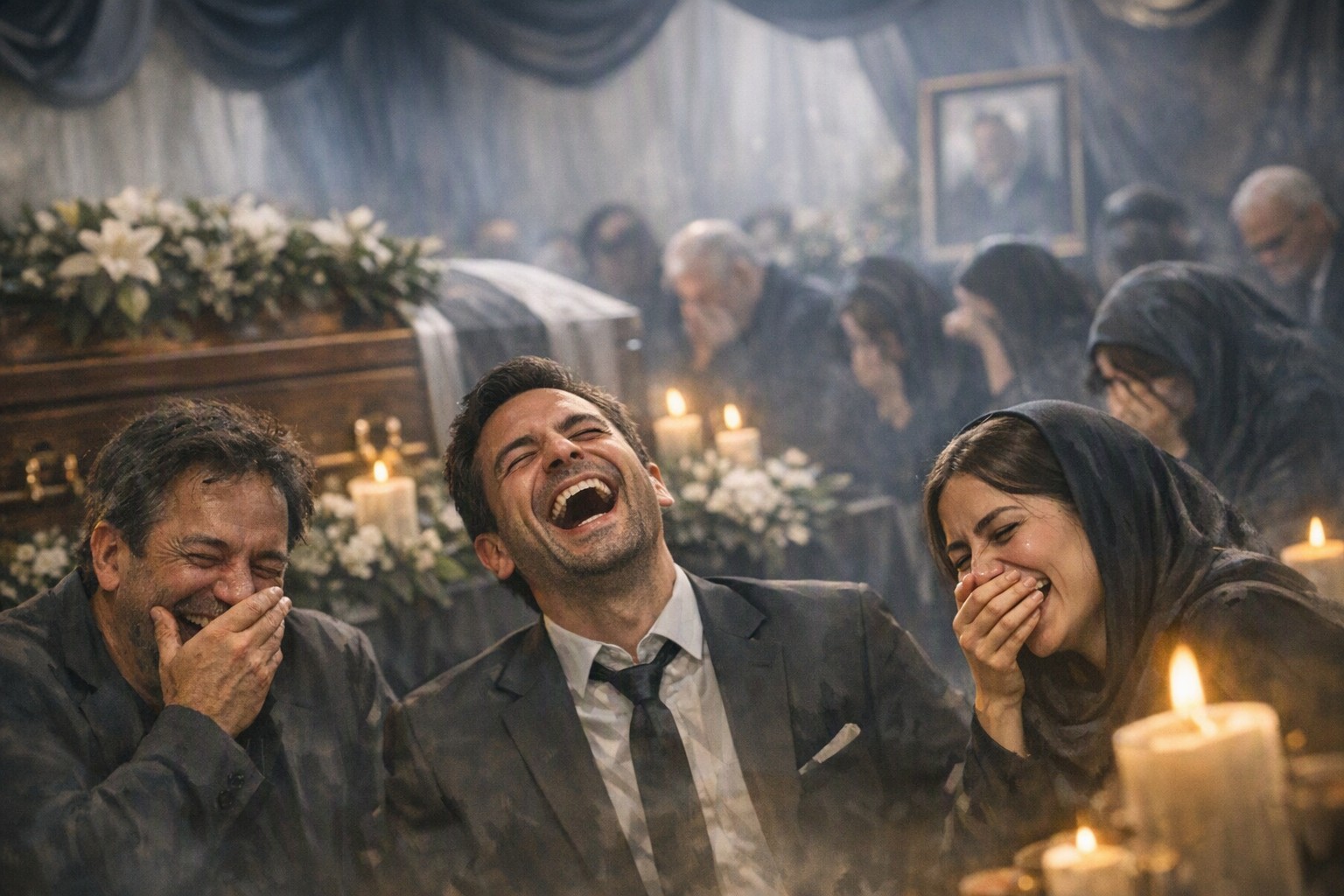
This phenomenon is not limited to funerals. Clinical observations have documented cases in which people suddenly laugh during moments of extreme danger, catastrophe, or even when confronted with the prospect of death.
If one day a young reader who has never walked through the alleys of Fez learns dignity from my father, hospitality from my mother, wisdom from my grandmother, or kindness from one of those forgotten neighbors, then something extraordinary will have happened.
This challenge became especially evident in the contrast between Avicenna’s position and the philosophical foundation later developed by Mullā Ṣadrā.
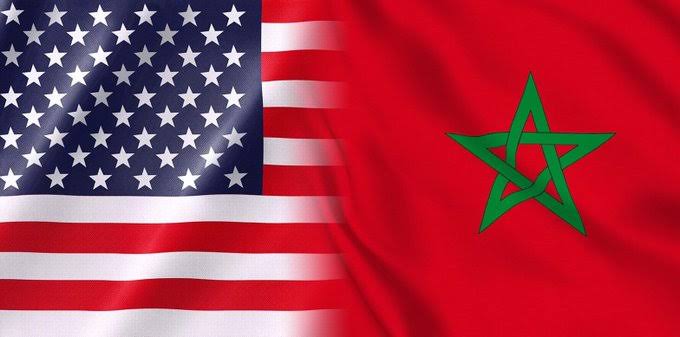
On July 4, 1776, thirteen colonies declared their independence from Great Britain after years of struggle and sacrifice. The road to freedom was long and costly, but a new nation was born with a dream that all people should have the right to govern themselves.