Travel Industry Today
The Consumer Has a Place in This Travelers are not responsible for fixing the economics of the travel industry. But travelers deserve to understand what they are buying.
Practical guides, packing lists, visa info, and everything you need before you go.
The Consumer Has a Place in This Travelers are not responsible for fixing the economics of the travel industry. But travelers deserve to understand what they are buying.
The Andalusians who came to northern Morocco could not bring Granada, Seville, or the other cities they had left behind. But they could preserve fragments of that world in the places where they began again.
A century ago, an early traveler could open a Guide Bleu, discover the Imperial Cities, and set out toward Marrakech, Rabat, Meknes, and Fez. Today, someone can open a telephone thousands of kilometres away and book essentially the same route in minutes.
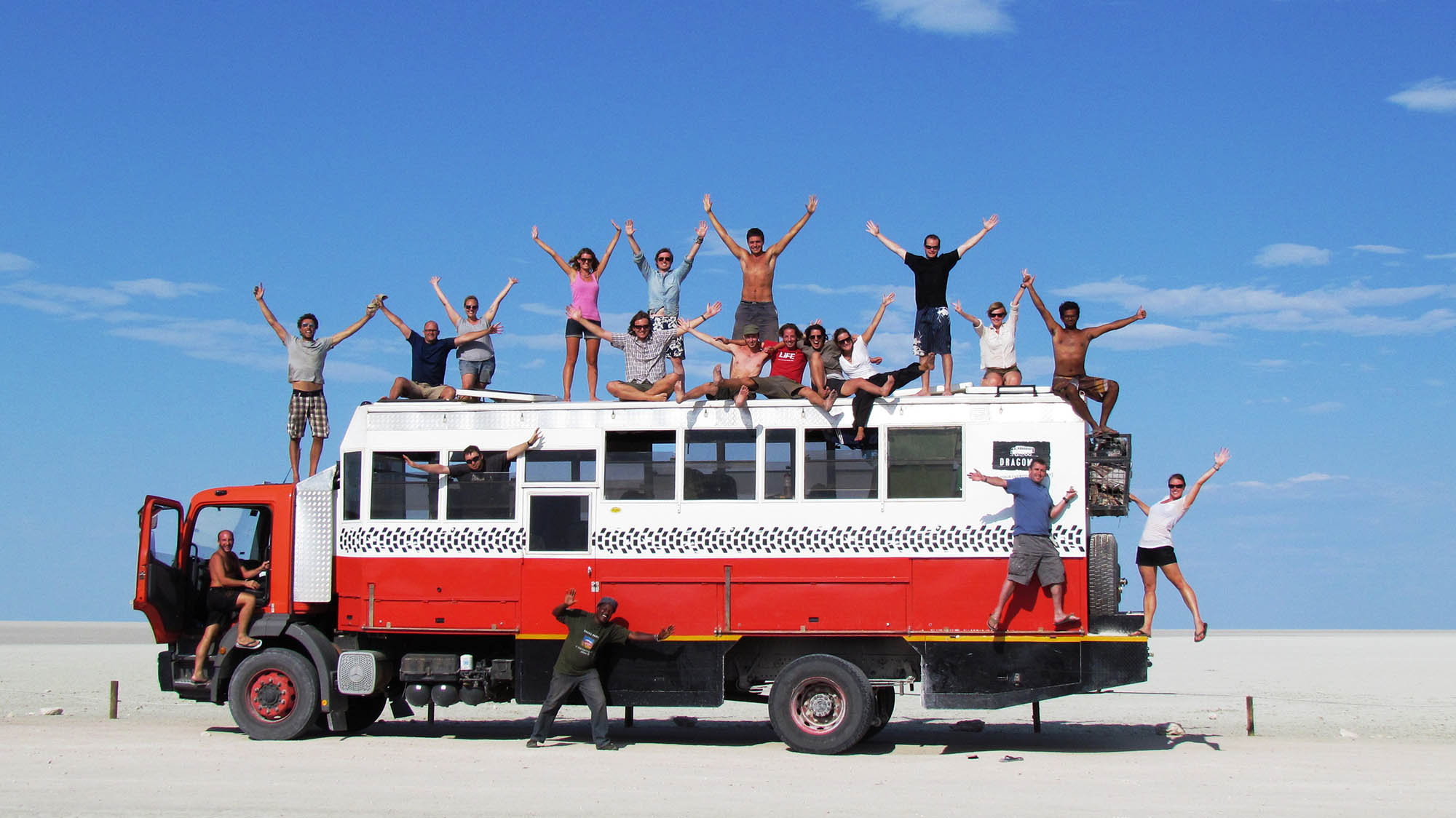
Overland journeys, hiking, trekking in the Atlas Mountains, Sahara expeditions, camping, discovery, and active travel naturally became Sarah Tours' specialties.
After more than a month of effort, the expedition finally reached the Sebou Bridge near Fez on 29 January 1912, only a short walk from the city itself.
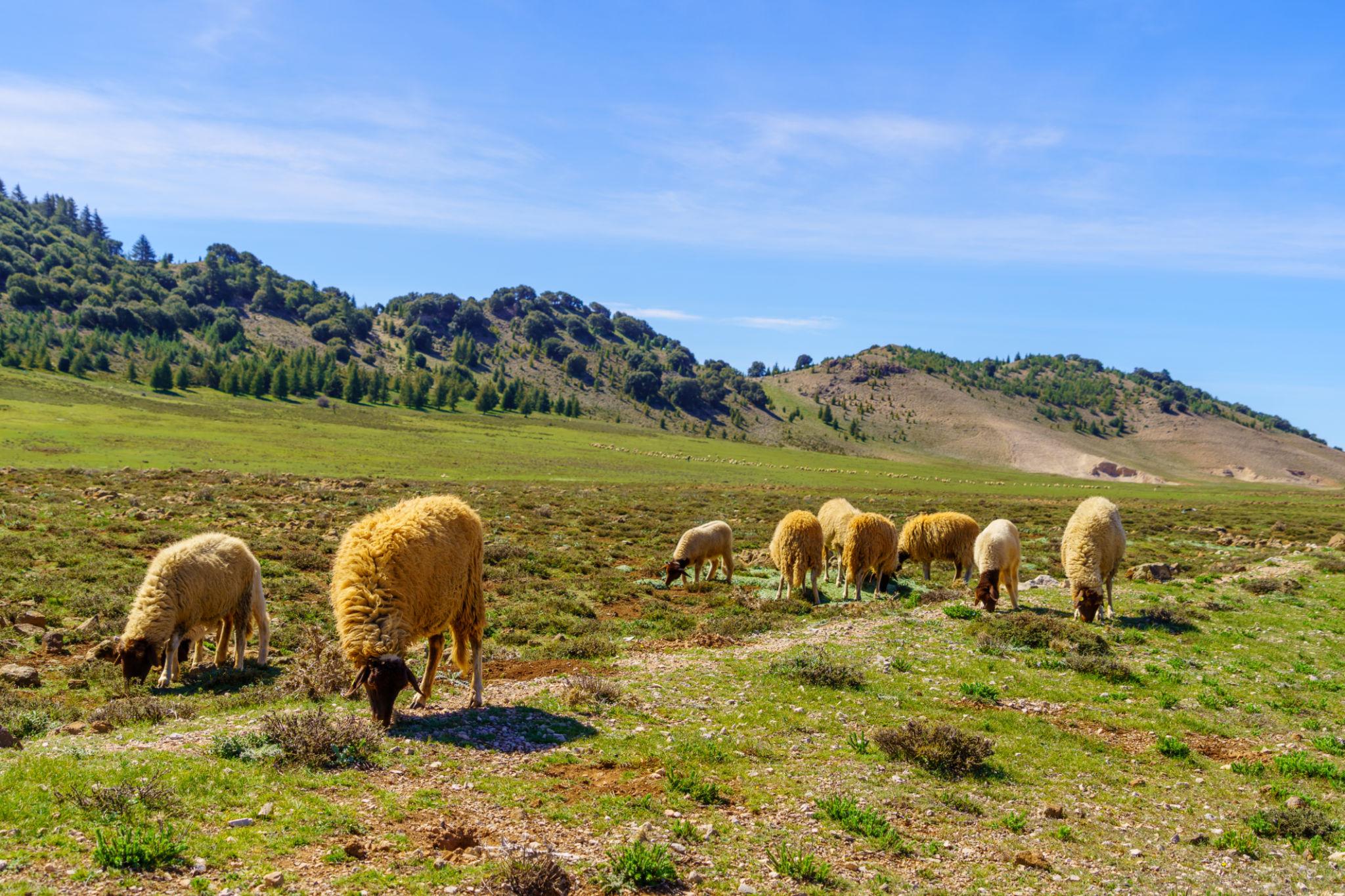
Most travelers know Morocco through its imperial cities, deserts, and coastlines. Few realize that the true heart of the country beats quietly in the Middle Atlas Mountains.
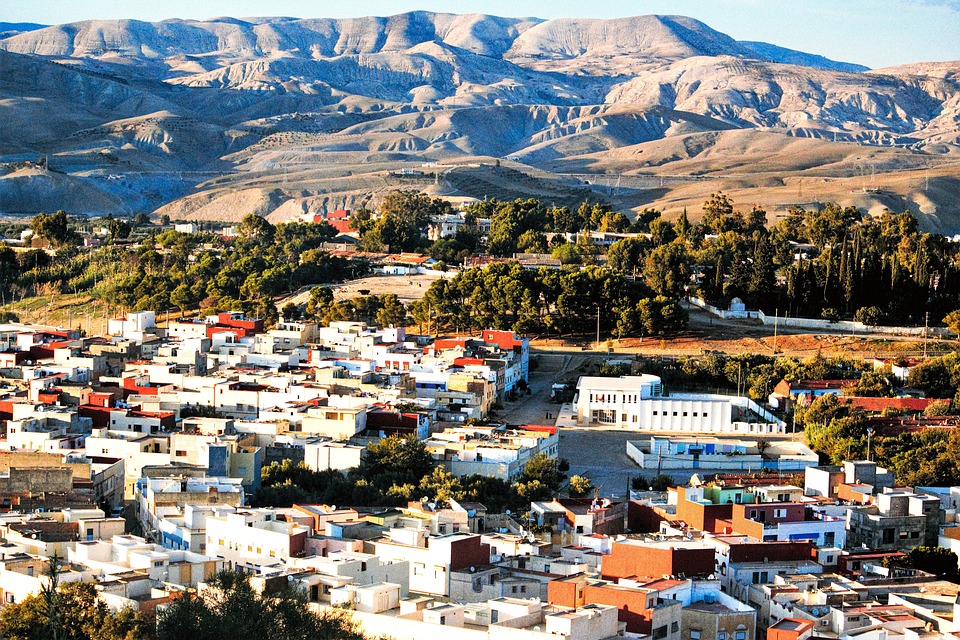
Walking through Upper Taza is like stepping into a forgotten chapter of Moroccan history.
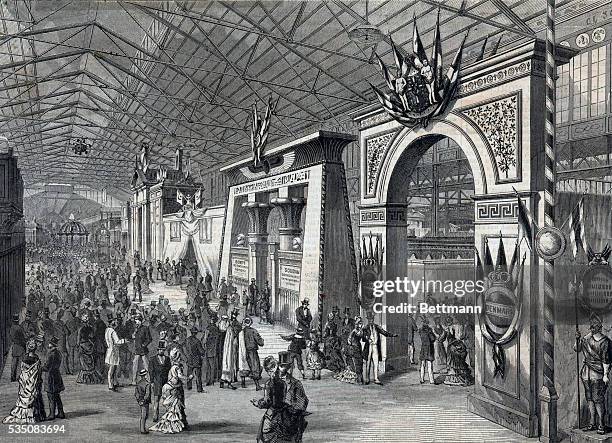
In 1876, as the United States celebrated the centennial of its independence with the grand Philadelphia Centennial Exhibition, one nation arrived carrying not the machinery of the Industrial Revolution, but the timeless elegance of an ancient civilization. That nation was Morocco.
To avoid creative stagnation, art spaces, both online and offline, must reimagine curation. Open calls, rotating exhibitions, and community-led initiatives can help share the spotlight and elevate diverse artistic voices.