Golden Age of Overland Travel
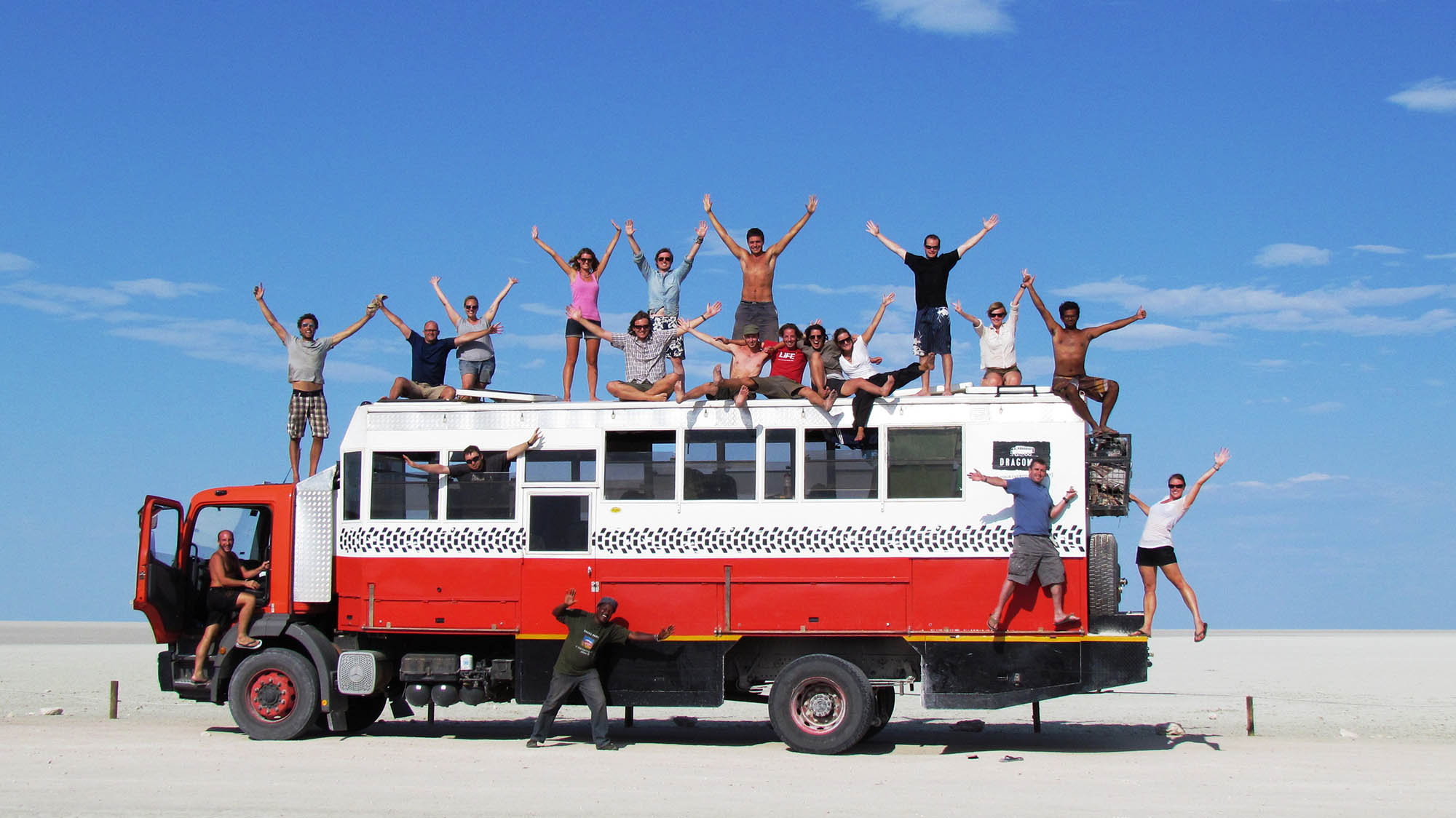
Overland journeys, hiking, trekking in the Atlas Mountains, Sahara expeditions, camping, discovery, and active travel naturally became Sarah Tours' specialties.
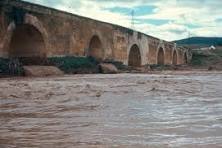
After more than a month of effort, the expedition finally reached the Sebou Bridge near Fez on 29 January 1912, only a short walk from the city itself.
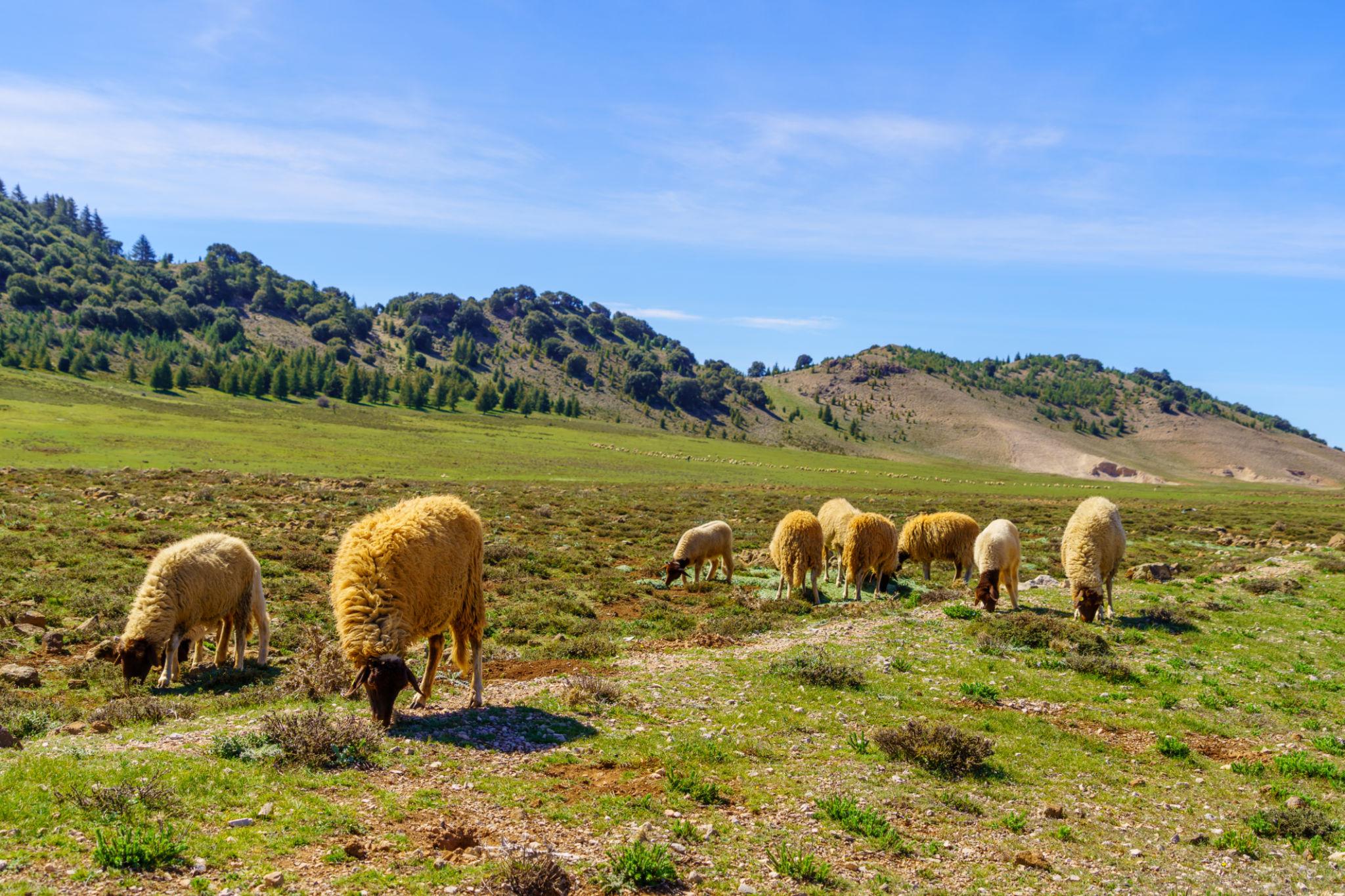
Most travelers know Morocco through its imperial cities, deserts, and coastlines. Few realize that the true heart of the country beats quietly in the Middle Atlas Mountains.
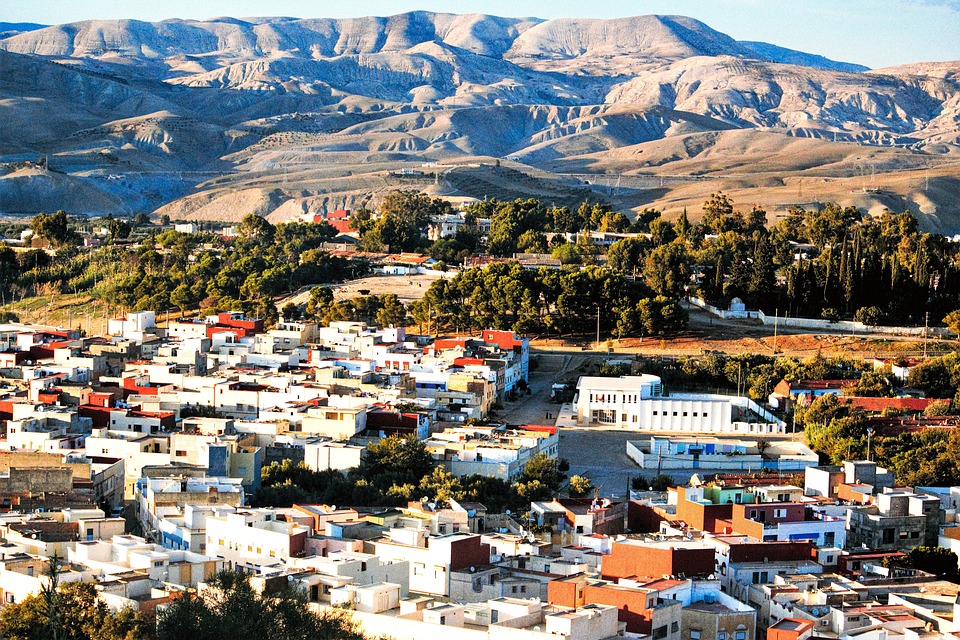
Walking through Upper Taza is like stepping into a forgotten chapter of Moroccan history.
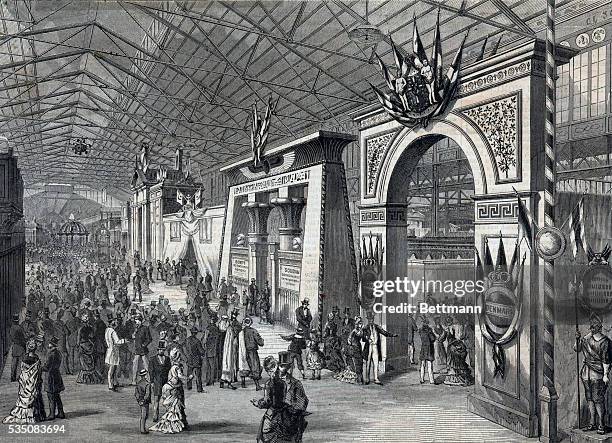
In 1876, as the United States celebrated the centennial of its independence with the grand Philadelphia Centennial Exhibition, one nation arrived carrying not the machinery of the Industrial Revolution, but the timeless elegance of an ancient civilization. That nation was Morocco.
At first glance, the act appears simple: travelers pausing to pray. Yet in a land such as Morocco, where space carries layered meanings, no gesture is ever entirely neutral. The question that arises is not only what was done, but how it was read, and why it resonated so deeply.
They call us Imazighen. They call us Ait Oumalou, people of the shadow. Yes, we live in shadow: the shade of forests, the shadow of mountains, the quiet side of the sun. But in that shadow, we see clearly.
The Nayliyyāt bracelet becomes an emblem of a lived experience, of a journey fulfilled and a duty completed. It is not merely an ornament, but a quiet declaration of passage. Worn daily, it reflects maturity, responsibility, and a new place in the community's fabric.
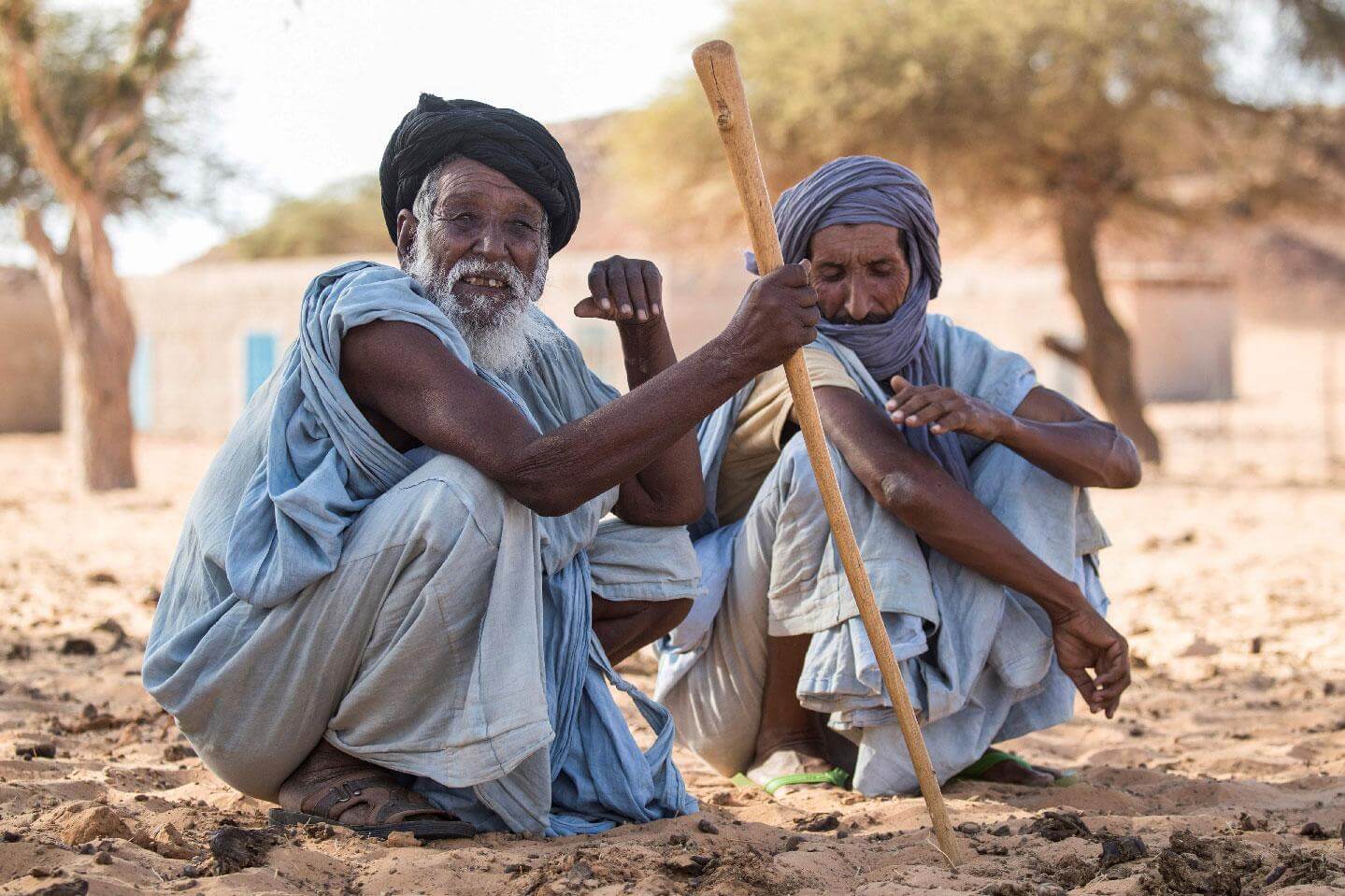
The Moors: A civilization, reduced to a name. But the Sahara remembers differently. It does not speak in generalities. It speaks in lineage, in belonging, in the quiet precision of who is whose son.