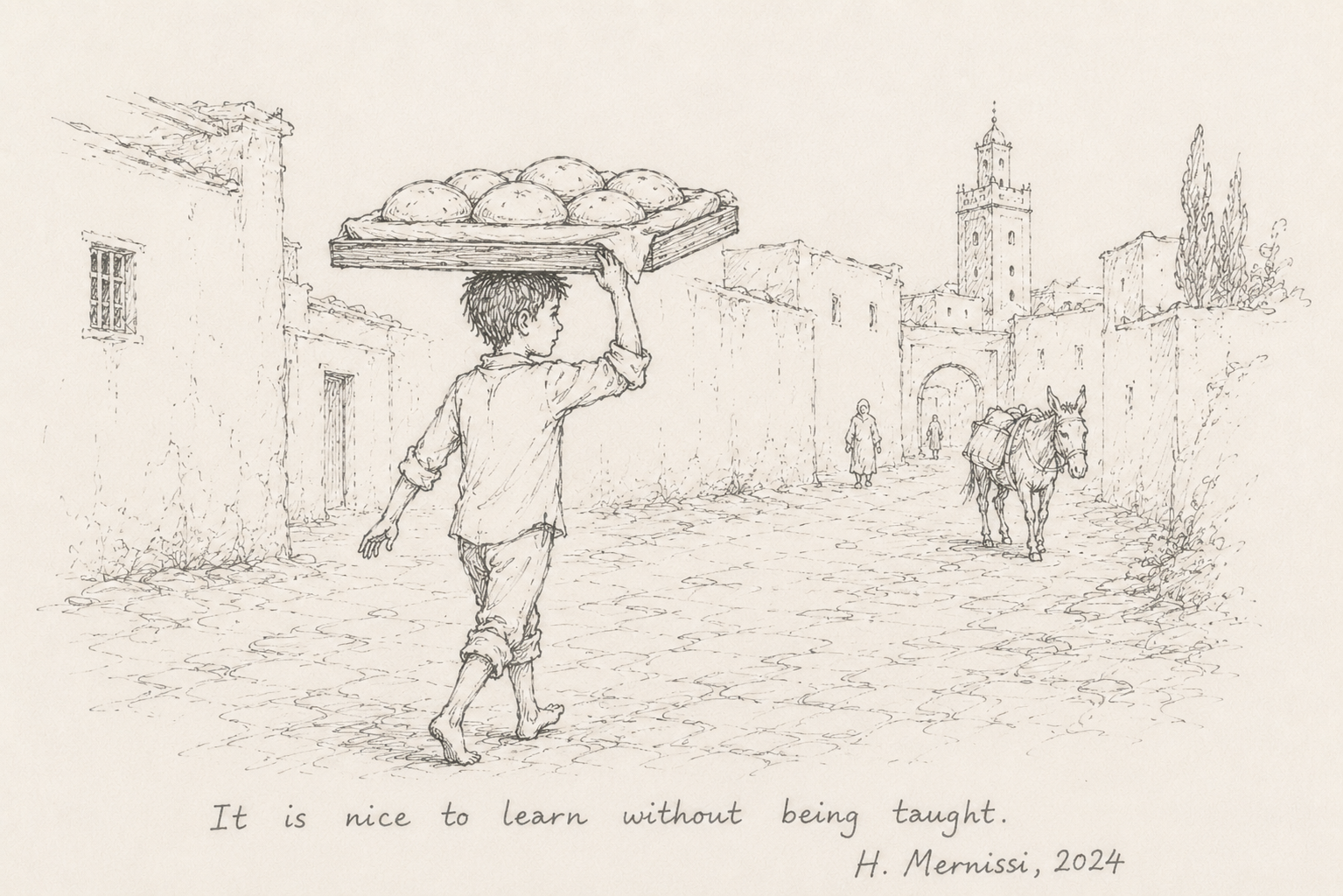
The Boy from Fez
It may be the smell of bread your mother baked, the tree you climbed as a child, a schoolyard, a song, a father's expression, an old neighbor, a family table around which people once gathered.
A century ago, an early traveler could open a Guide Bleu, discover the Imperial Cities, and set out toward Marrakech, Rabat, Meknes, and Fez. Today, someone can open a telephone thousands of kilometres away and book essentially the same route in minutes.
Every country contains differences of ethnicity, language, religion, region, tribe, culture, class, or historical memory. Travel places us directly before these differences. A responsible traveler does not arrive merely to photograph buildings or collect destinations. Travel offers an opportunity
After more than a month of effort, the expedition finally reached the Sebou Bridge near Fez on 29 January 1912, only a short walk from the city itself.
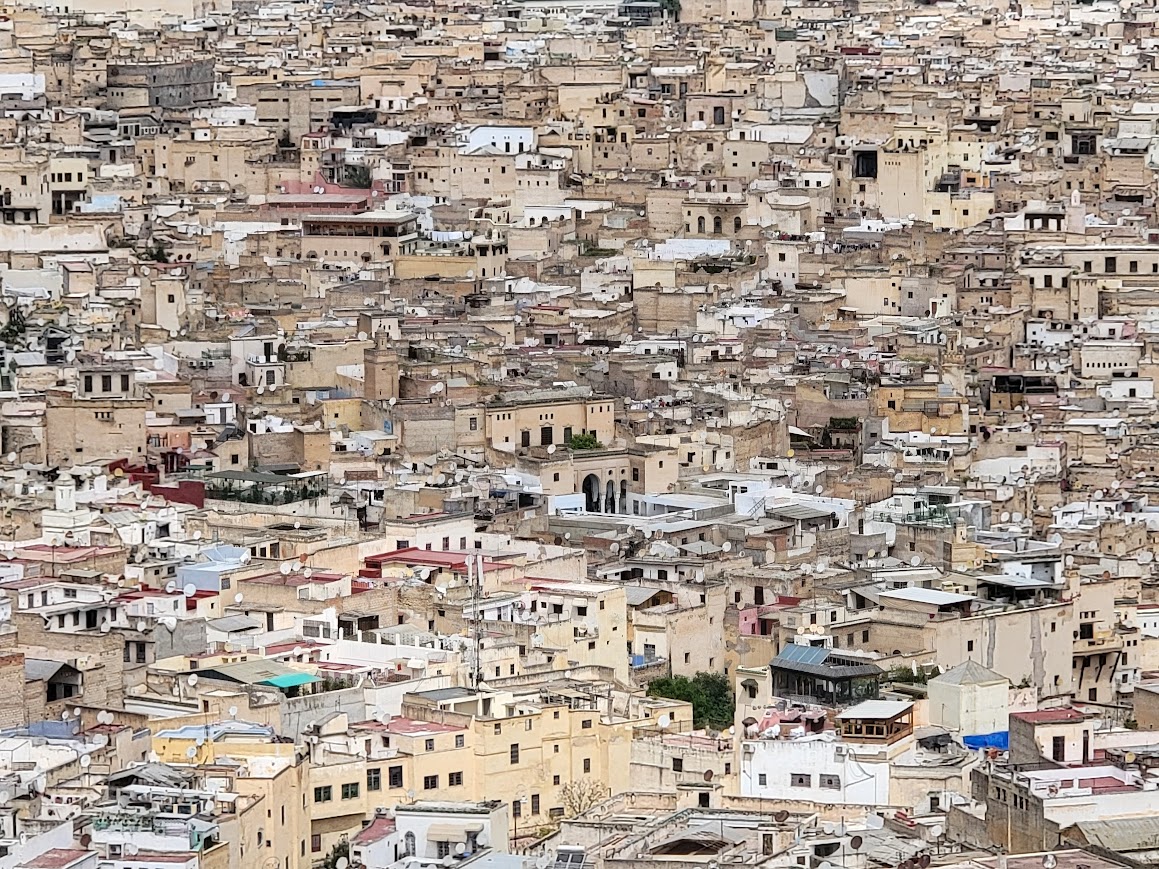
If one day a young reader who has never walked through the alleys of Fez learns dignity from my father, hospitality from my mother, wisdom from my grandmother, or kindness from one of those forgotten neighbors, then something extraordinary will have happened.
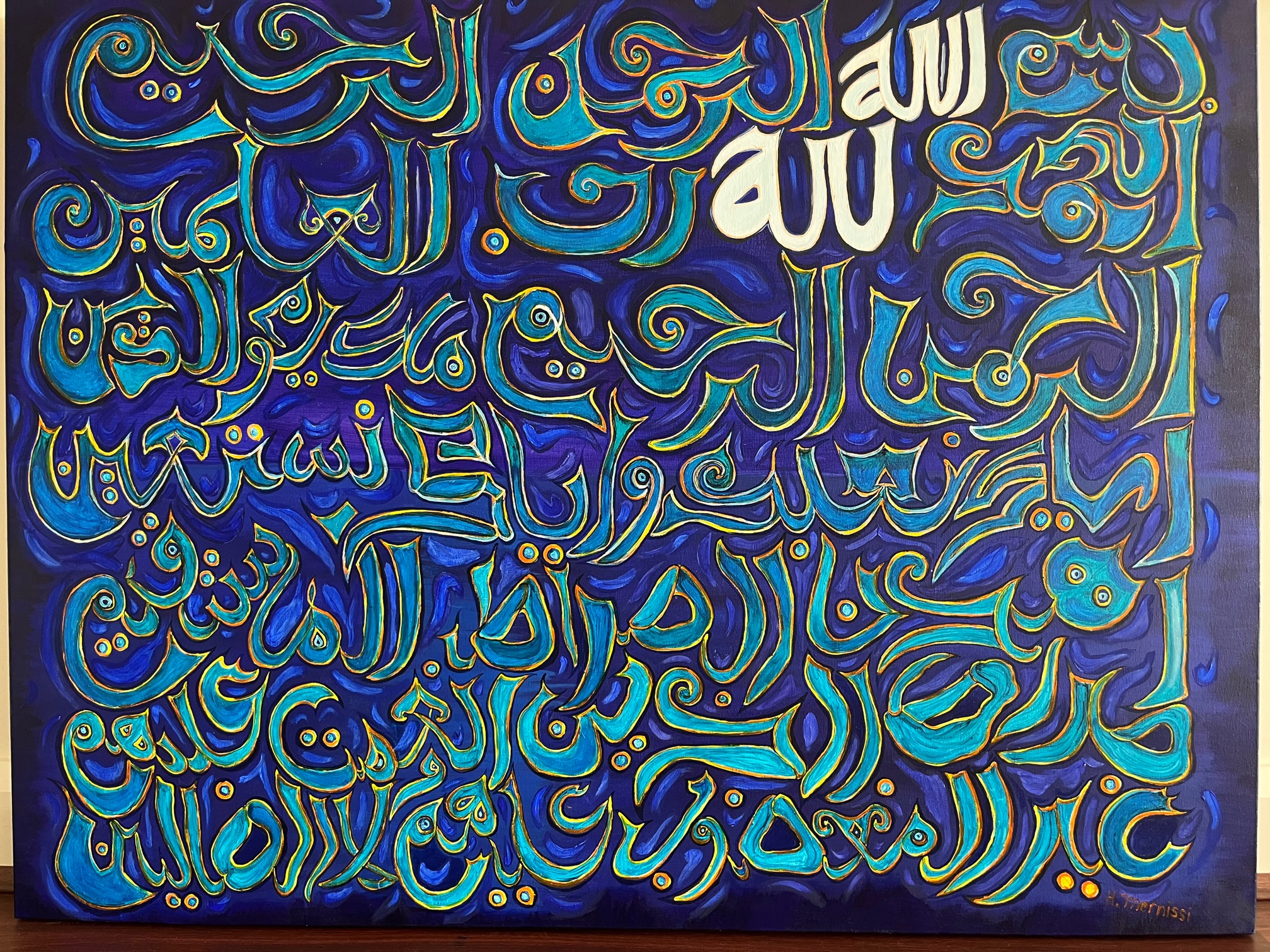
Dhikr was never understood as an escape from reality. It was a way of returning to reality by freeing the heart from becoming imprisoned by fear, anger, pride, greed, or despair.
The story most often told about Al-Busiri is itself a lesson in divine grace. Afflicted by illness and physical paralysis, he composed his celebrated ode in praise of the Prophet ﷺ and entrusted his suffering to Allah
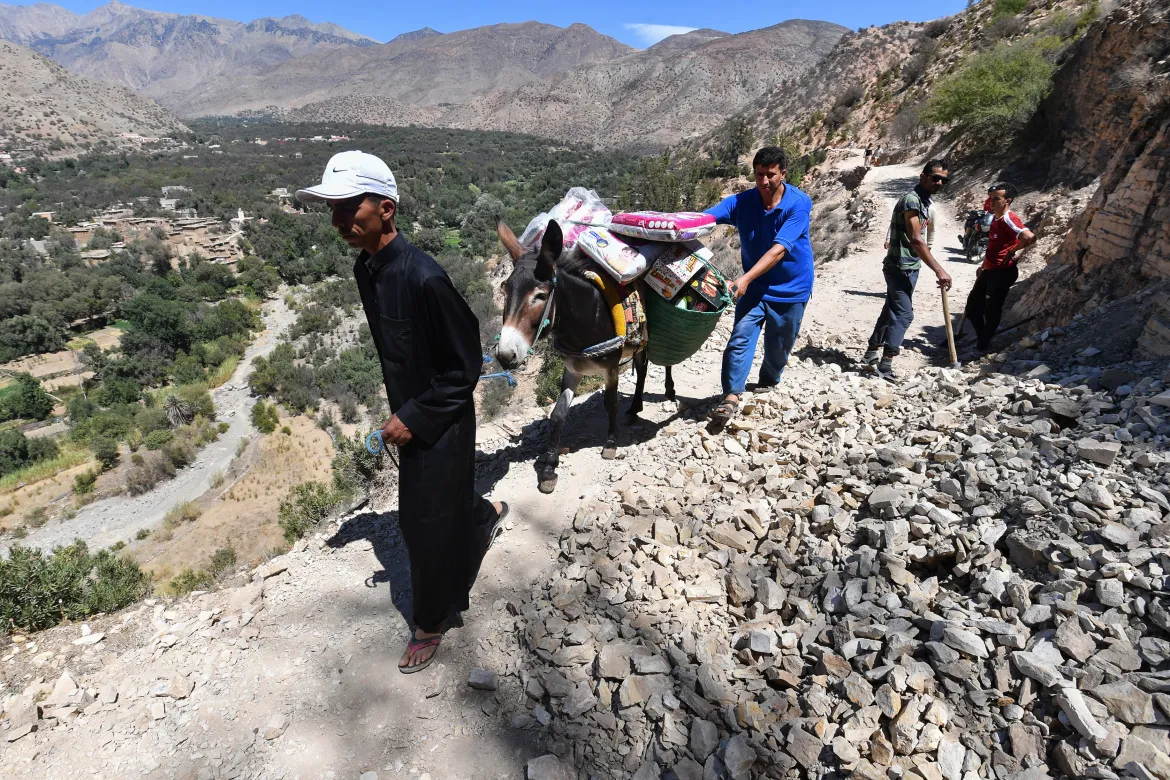
For a long time, Morocco was home to millions of donkeys, and their presence extended beyond the domestic sphere. Trade in donkeys, particularly toward neighboring regions, formed a significant part of the rural economy, reminding us that value is not always found in what is celebrated but often in
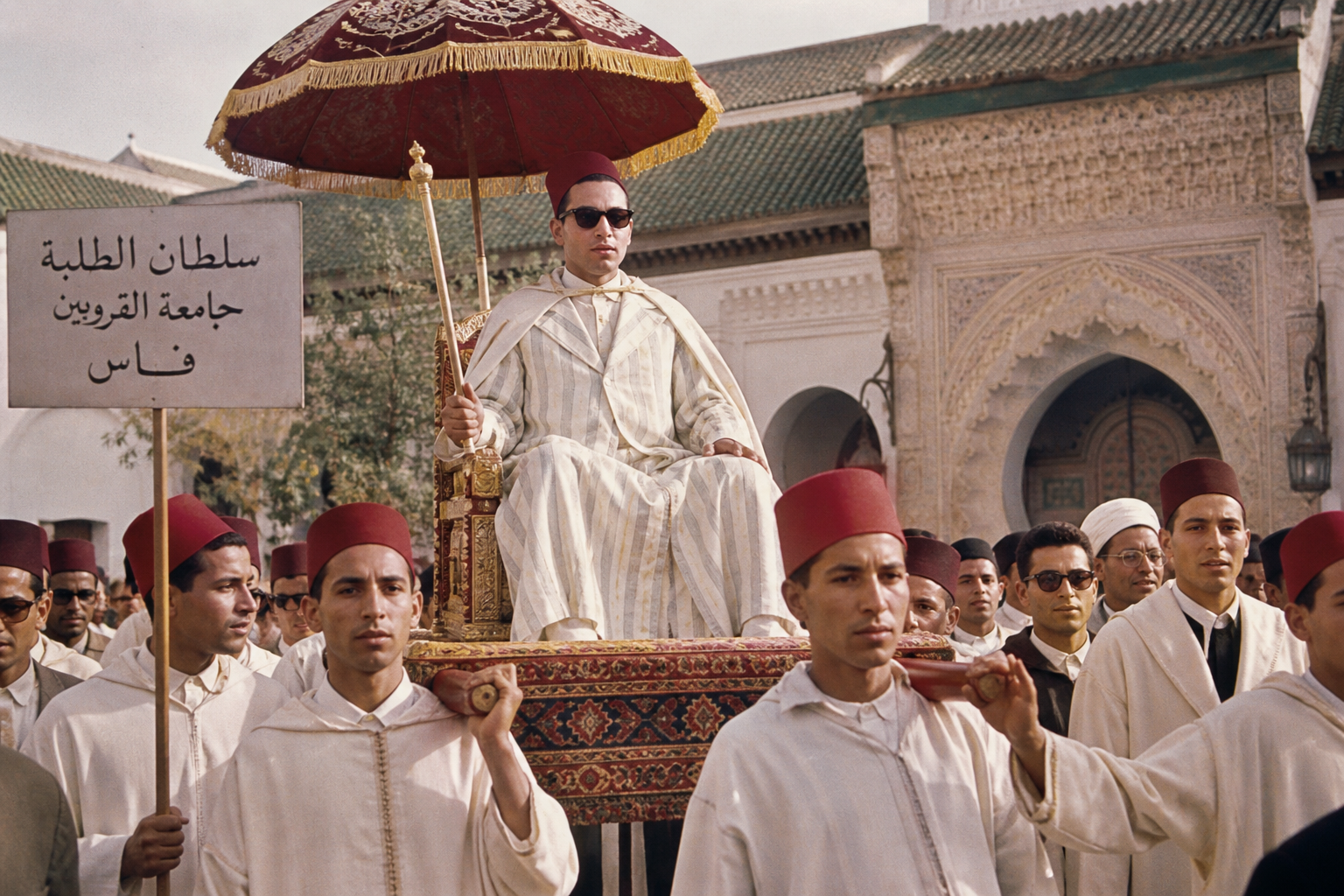
The talba, students in the modern sense, but in truth seekers on a path, were not merely recipients of knowledge