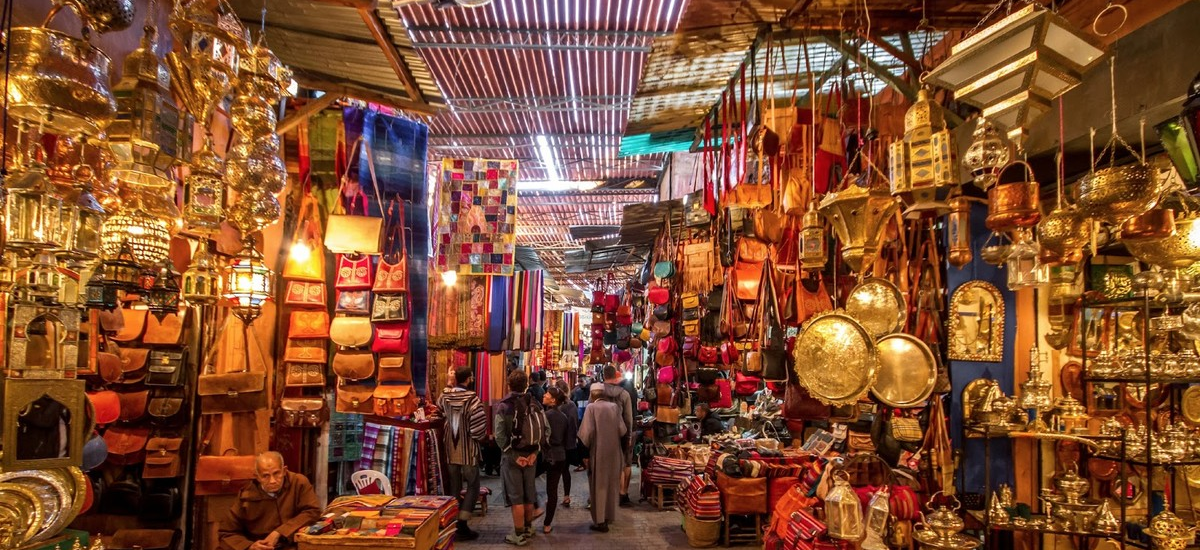
Troubadours Halqa in Morocco
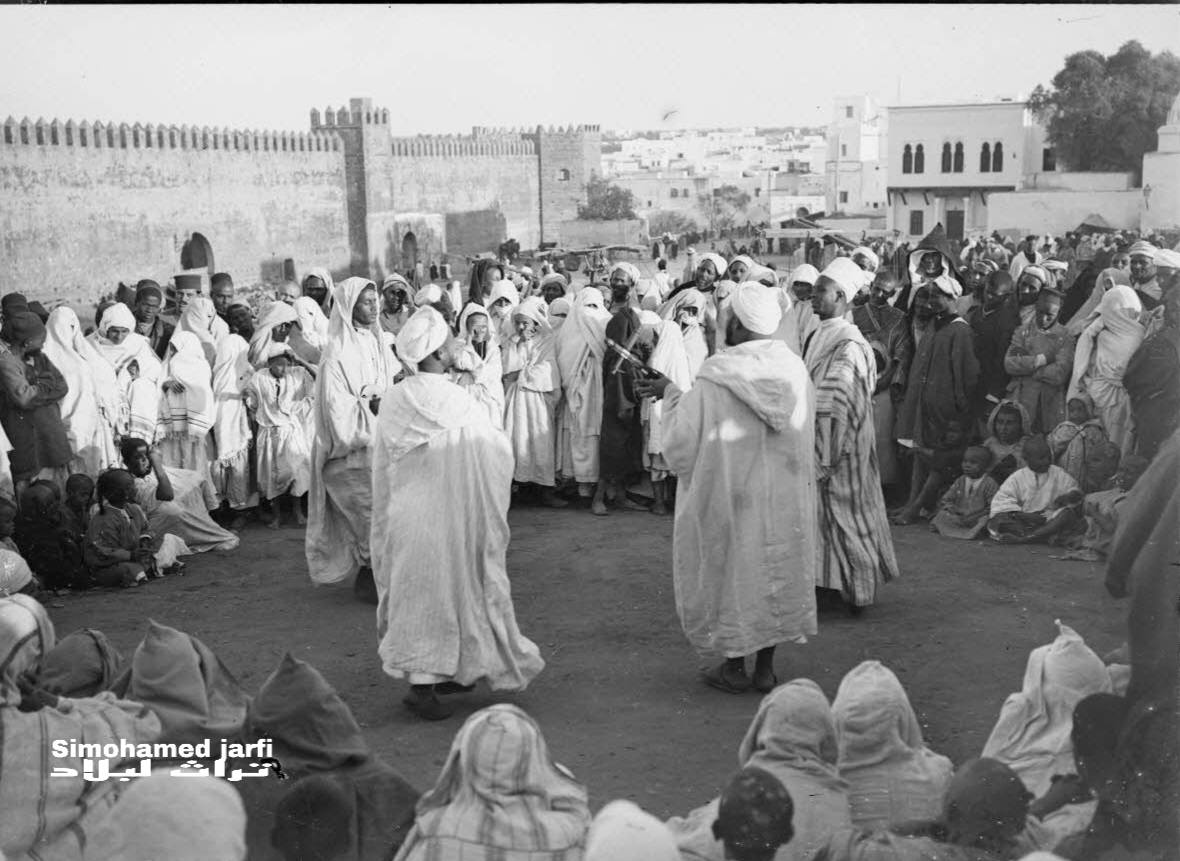
The word Halqa simply means "circle." In practice, it was far more than a circle. It was an open-air theater, a classroom, a newspaper, a parliament, and sometimes even a ministry of information.
Spiritual anthropology looks at humanity not only through culture and history, but through the inner life of people—their search for meaning, their rituals, their wisdom, and their relationship with the unseen.
The word Halqa simply means "circle." In practice, it was far more than a circle. It was an open-air theater, a classroom, a newspaper, a parliament, and sometimes even a ministry of information.
This article analyses the relationship between language and historical context in the production of scientific knowledge, arguing that detaching scientific language from its historical context transforms science from an open knowledge system into a closed, normative structure.
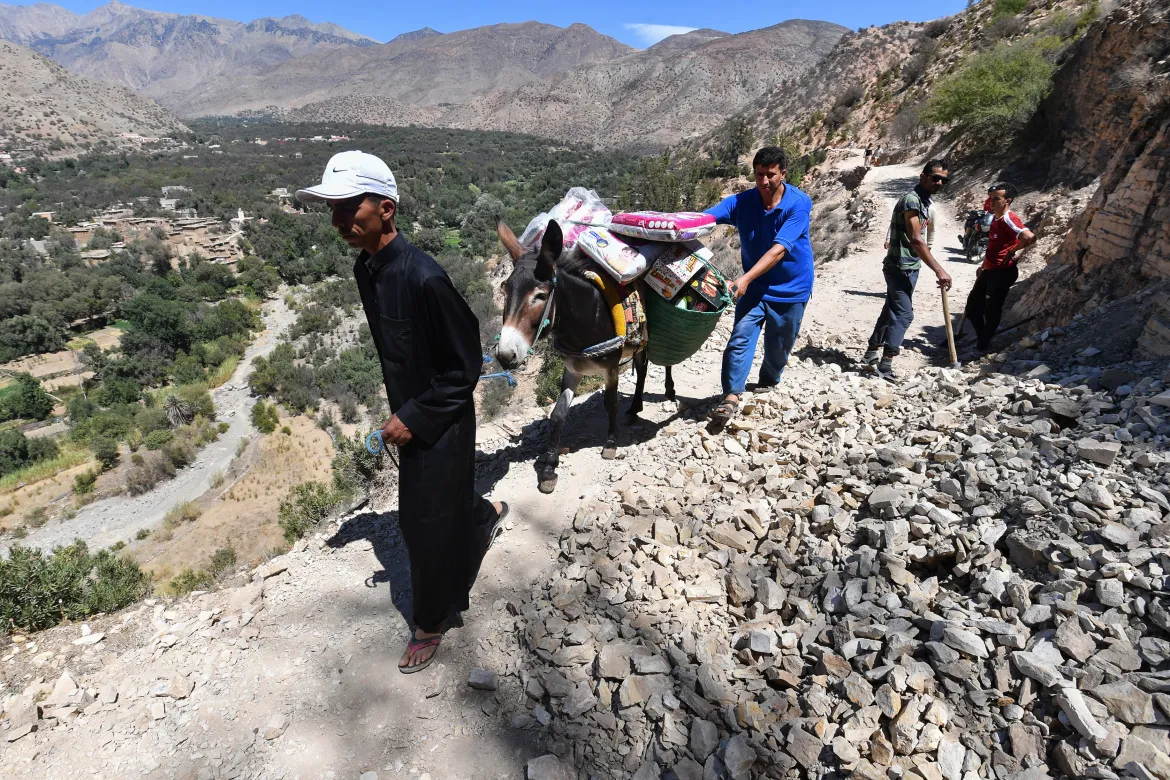
For a long time, Morocco was home to millions of donkeys, and their presence extended beyond the domestic sphere. Trade in donkeys, particularly toward neighboring regions, formed a significant part of the rural economy, reminding us that value is not always found in what is celebrated but often in
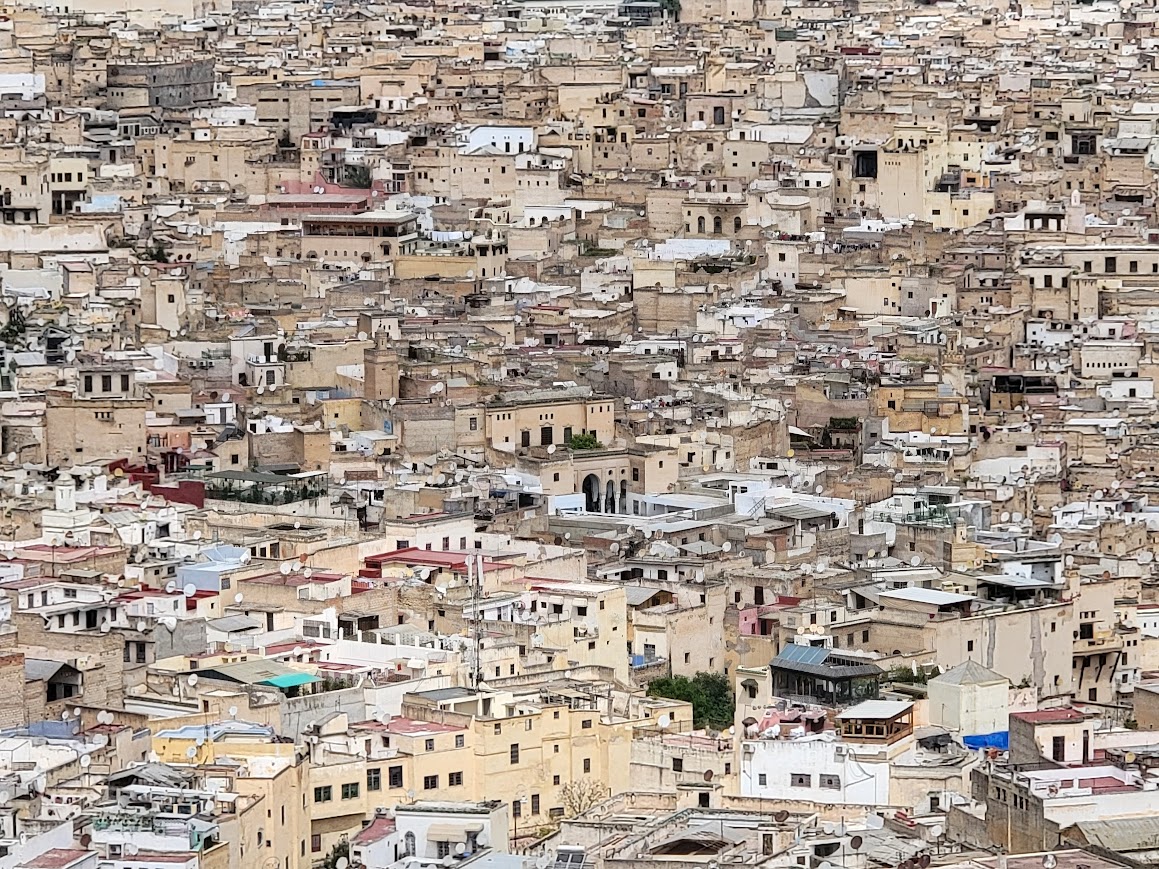
The memory of this transformation remains inscribed in the very geography of Fez. Neighborhoods such as Zqaq al-Rumman, with its orchards, and the broader Lamti quarters near Bab Guissa, still carry the imprint of that early presence.
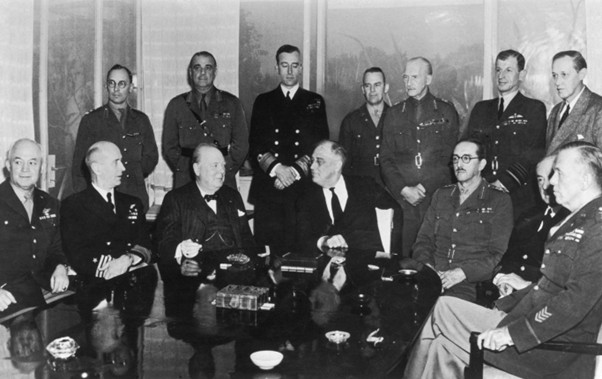
In the memory of modern Morocco, independence is not recalled as a single event, nor as a simple transfer of power. It is understood as a process, one that unfolded through time, shaped by negotiation, sacrifice, and a particular reading of the world.
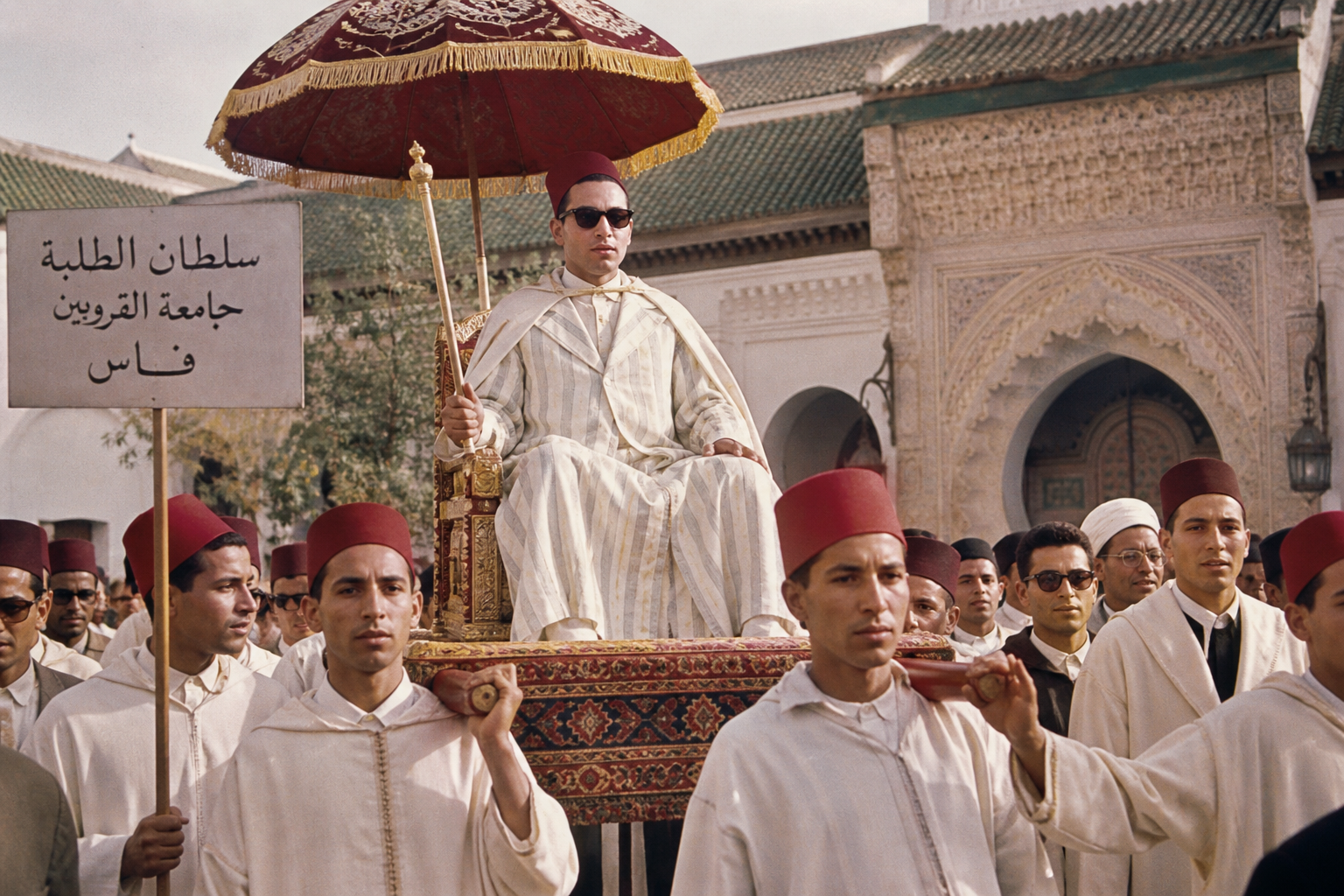
The talba, students in the modern sense, but in truth seekers on a path, were not merely recipients of knowledge
At the point where the Atlantic narrows into the Mediterranean, the Strait of Gibraltar becomes more than a passage. It becomes a condition. What moves through it, ships, ideas, encounters, does not simply pass by Morocco. It passes through the horizon of its existence.
Here, two seas meet, but more importantly, two ways of seeing the world intersect. For centuries, this narrow strait has carried not only ships but also civilizations, movements of people, ideas, and exchanges that have shaped entire histories.
Morocco, for example, is not simply reacting to environmental pressure; it is rethinking its relationship with its own land, water, and energy.